

At the Conservatory
The academic course in Mediterranean Frame Drums at the “Saverio Arlia” Conservatory: three-year and two-year levels, with exams and a degree. Italian at B1 level is required.
Almost everyone thinks they know what a tambourine is: something you shake. That is why the instrument has been underrated for so long — and it is not the listener's fault.
“…anyone inured to the tambourine because of the unimaginative shake and rattle way in which it's usually misplayed will have had their ears stretched wide by Andrea Piccioni's virtuoso playing of it and frame drums. Especially in his solo, Piccioni coaxed an astonishing range of timbres and rhythms from his drums, with everything from rapid strumming to running a wet finger over the skin to produce wineglass-like drones…”
— Julian Maynard-Smith, Classical Source, London
That range is not a collection of effects: it is a vocabulary. Every sound has a name and a function — the low Dum at the centre of the skin, the snapped Pa, the Ta and Ka on the rim, the Cha of the palm that makes the jingles speak — along with the shakes, the trills and the rolls built on rhythmic syllables.
Holding skin and jingles together, making them speak as two distinct instruments sounding at the same moment: that is where the player's work lies.
The starting point is the dance repertoire: the tarantella in its forms — pizzica pizzica, ballo sul tamburo, siciliana, calabrese — and the saltarello. That is the ground on which the technique was formed, and it remains the foundation of any serious work on the instrument.
It is not the whole picture, though. The tamburello runs the length of Italy, with names, mountings and ways of playing that change from one valley to the next before they change from one region to another: each variant is the practical answer to a repertoire, a dance, a setting it was played in.
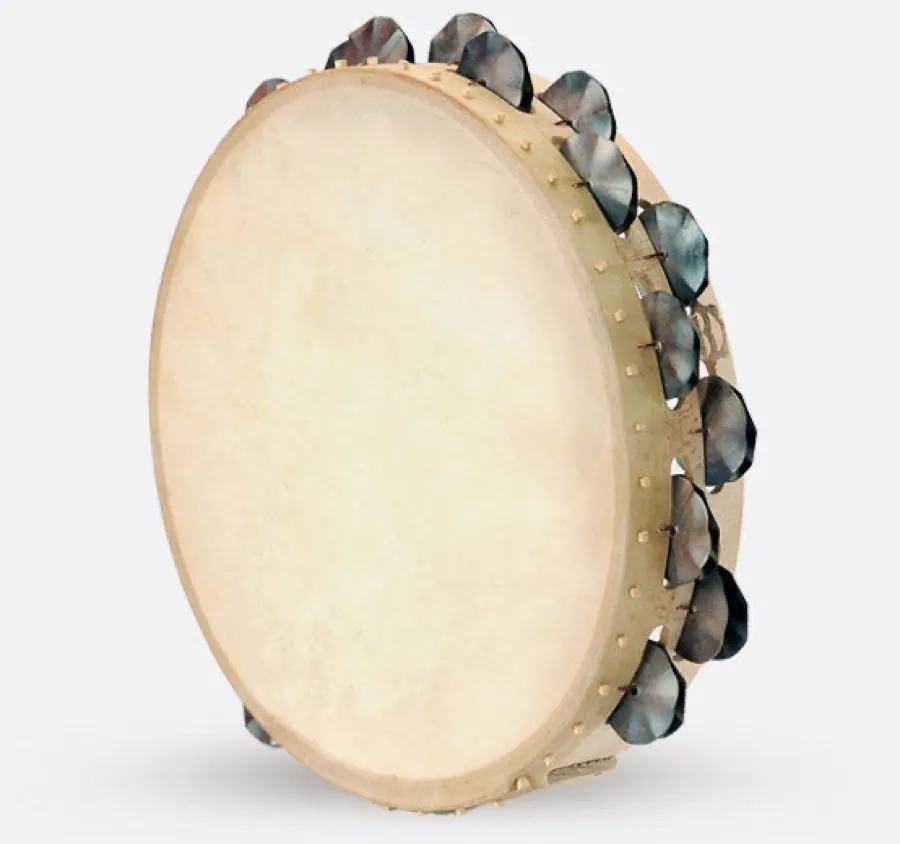
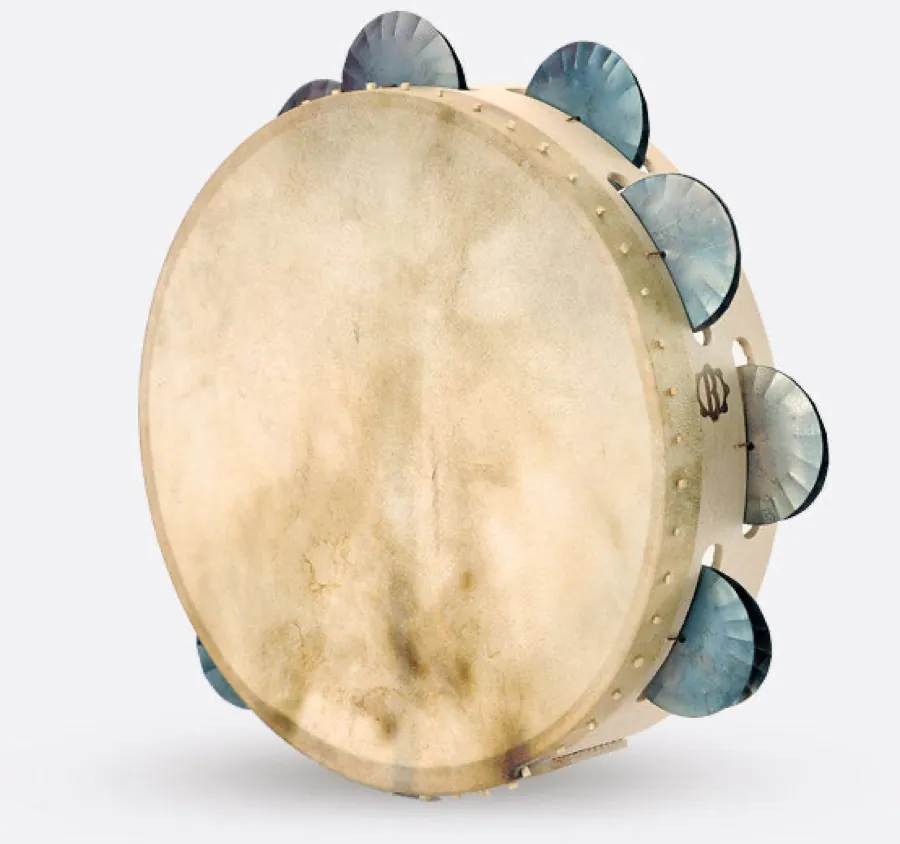
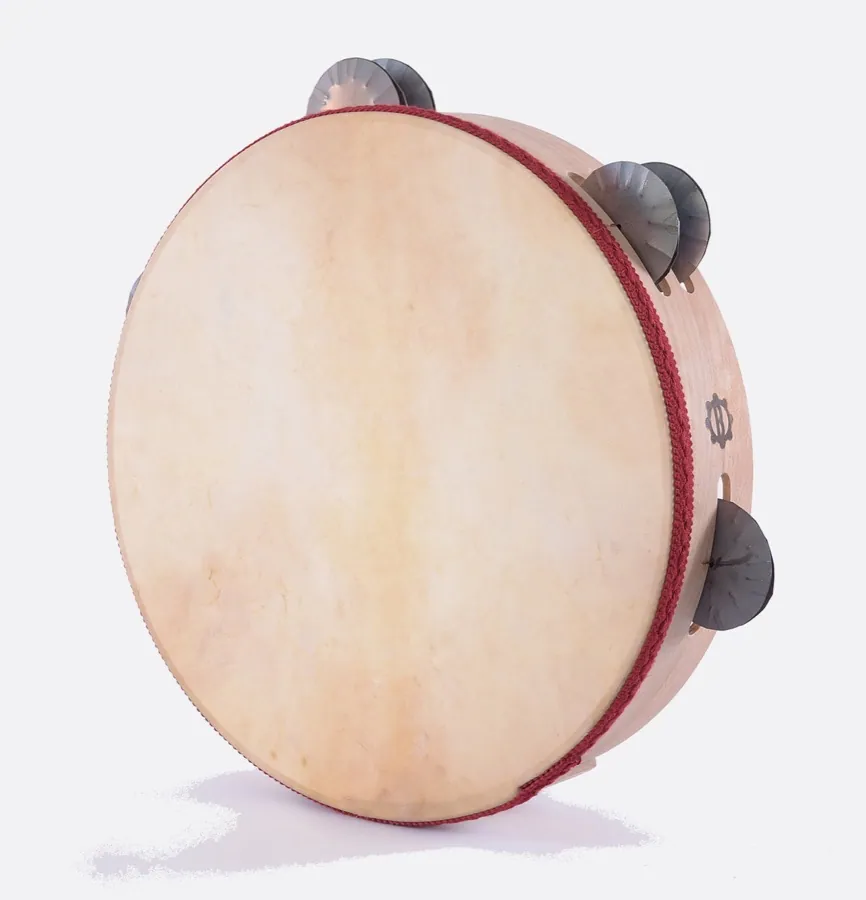
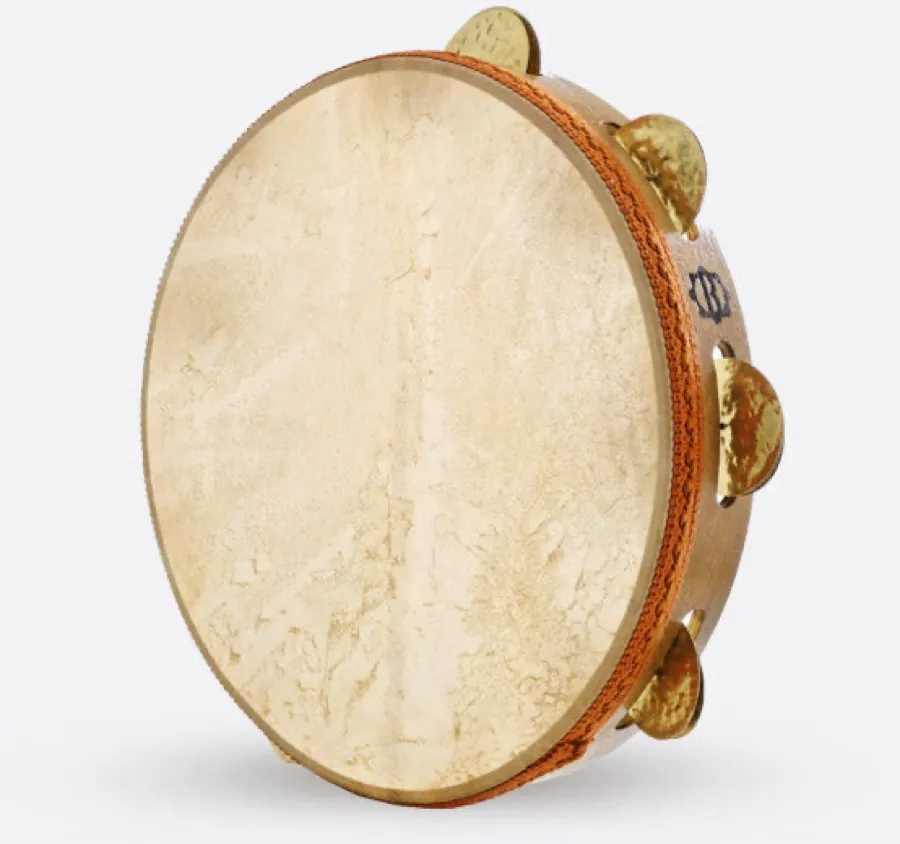
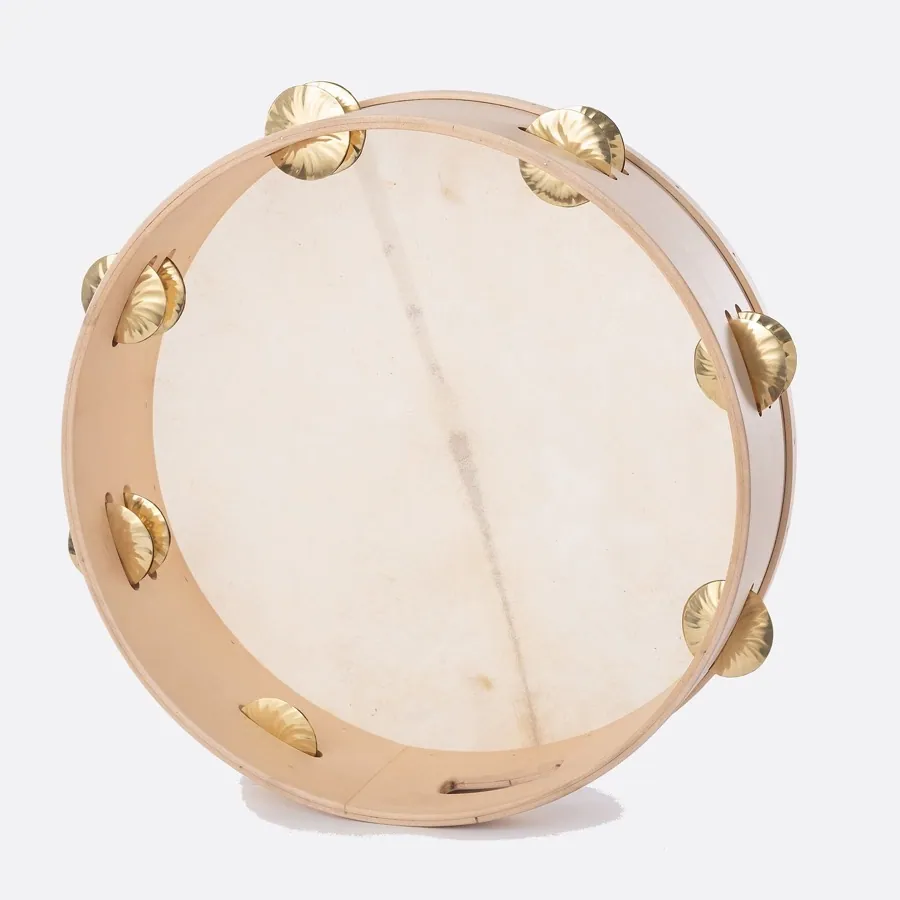
A few instruments drawn from Italy's regional traditions, built by Biagio Panico.
The wood changes, the tanning of the skin, the way it is fixed to the frame — a wooden band or pegs — the diameter, the jingles. Reducing the instrument to a single tradition means losing half of it.
We imagine the tamburello — and today we play it — as an ethnic, folk instrument. The sources tell another story as well.
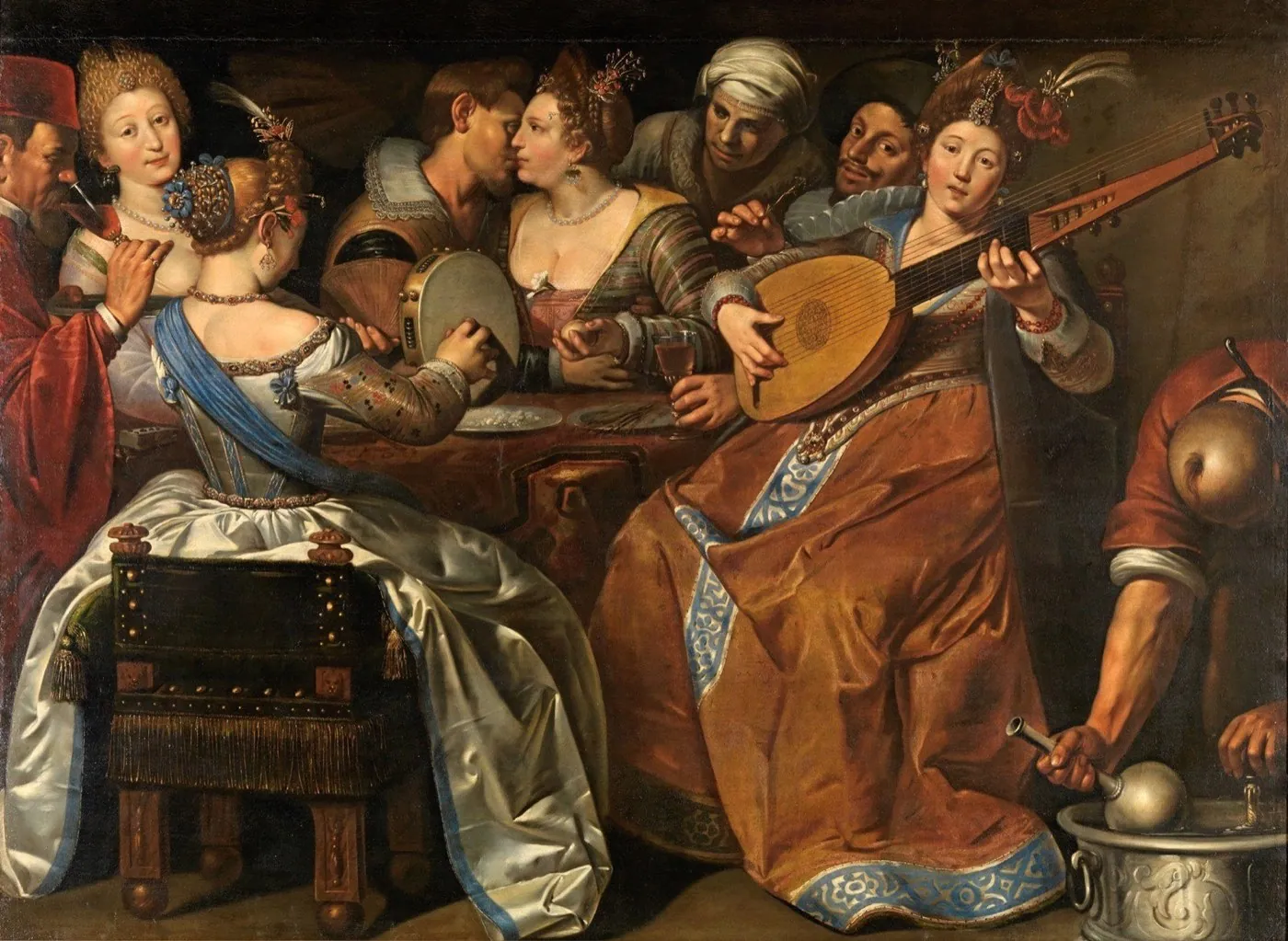
For years I have been working on a historical reconstruction of the instrument within European art music: its passage into the cultured, bourgeois and aristocratic world, above all in the Anglo-Saxon sphere, between the eighteenth and nineteenth centuries. It is a chapter Italian organological literature touches only lightly, because it rightly looks to regional traditions, and one I have reconstructed through iconographic sources, period documents and English and American musicology.
That research has become a book: Il tamburello in Europa tra 1700 e 1800, out with Squilibri editore in October 2026. The book
The method I developed aims to make player and instrument one, through technical, postural and expressive analysis.
Reducing tension, balance, the alignment of the two cerebral hemispheres and a conscious use of the body make it possible to reduce the problems tied to the act of playing, and build an awareness that develops sound, speed and precision. It is a mindset before it is a technique: aligning mind, body and instrument.
The system is simple and easily reproducible, and rich in developments for exactly that reason: it works for someone who has never held a tamburello and for someone who has played one for twenty years. It applies to frame drums with and without jingles, and it opens the instrument to any musical context — jazz, early music, world, live electronics — without leaving behind the language it came from.
Out of this path came Il Tamburello. Arte, storia, tecnica (Kurumuny, 2024), the first method devoted to the modern tamburello: bilingual Italian–English, with technique videos reachable by QR code.
Here I am playing Euterpe, the tunable frame drum from the Muses series.
Alongside the technique I developed the instruments. They came from a concrete need: what I wanted to play did not exist yet.
The Muses series gathers frame drums I conceived and dedicated to the Muses, the divine inspirers of the arts in the ancient Hellenic tradition. They are built by luthier Biagio Panico, entirely in Salento, in what may be the noblest of woods: olive, hard to work but with unique qualities, used in Italy for centuries for bagpipes, shawms and castanets.
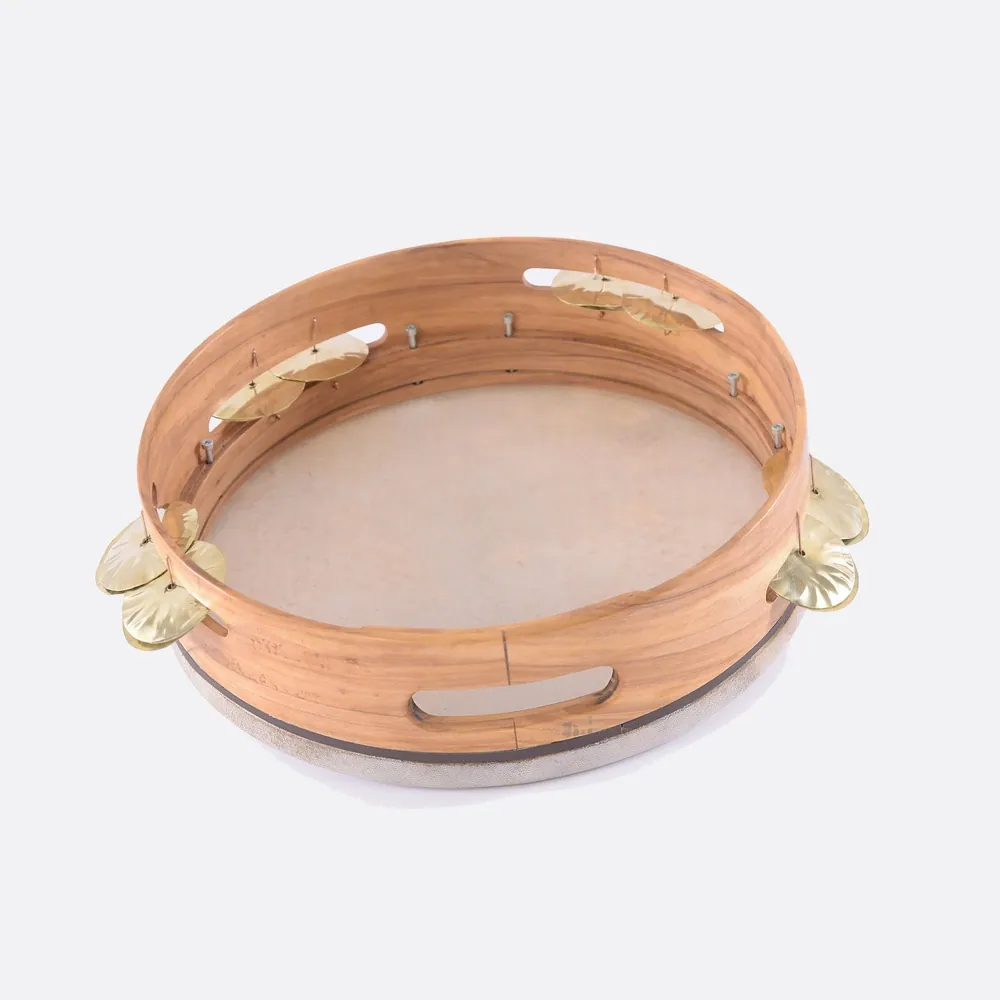
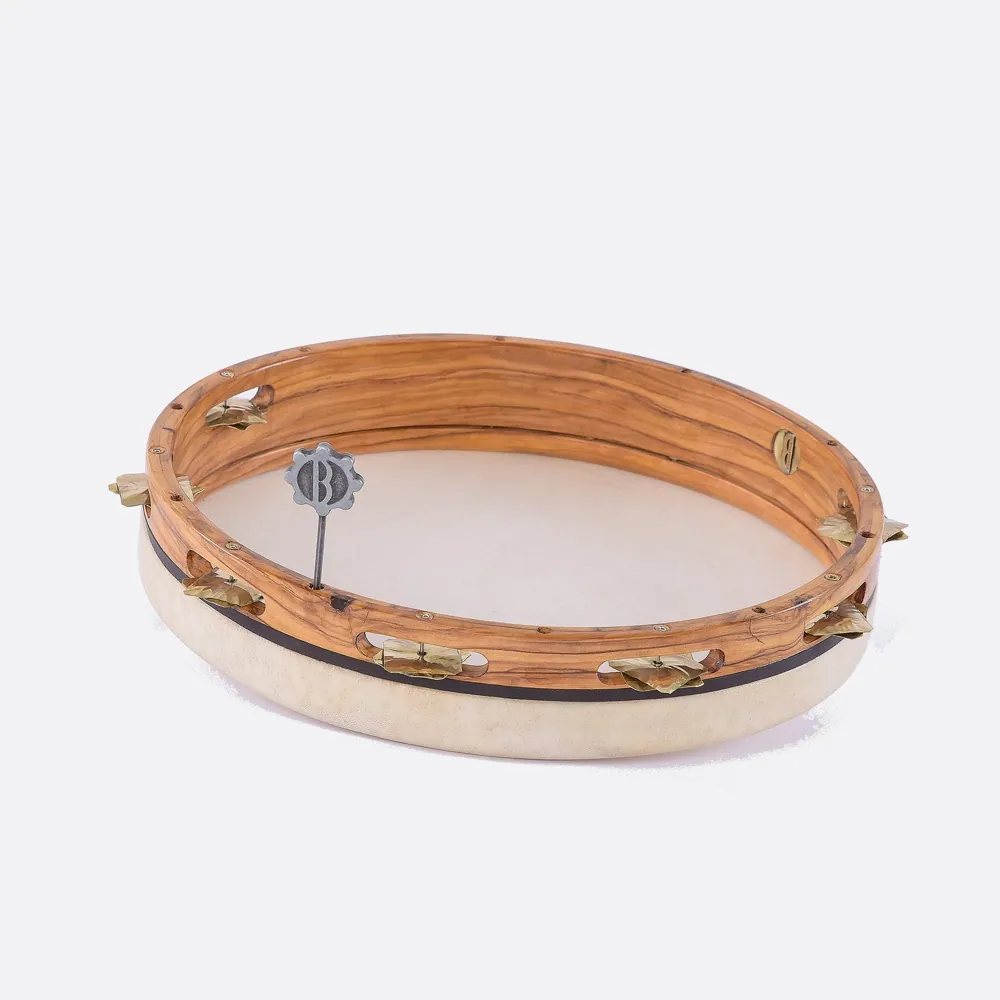
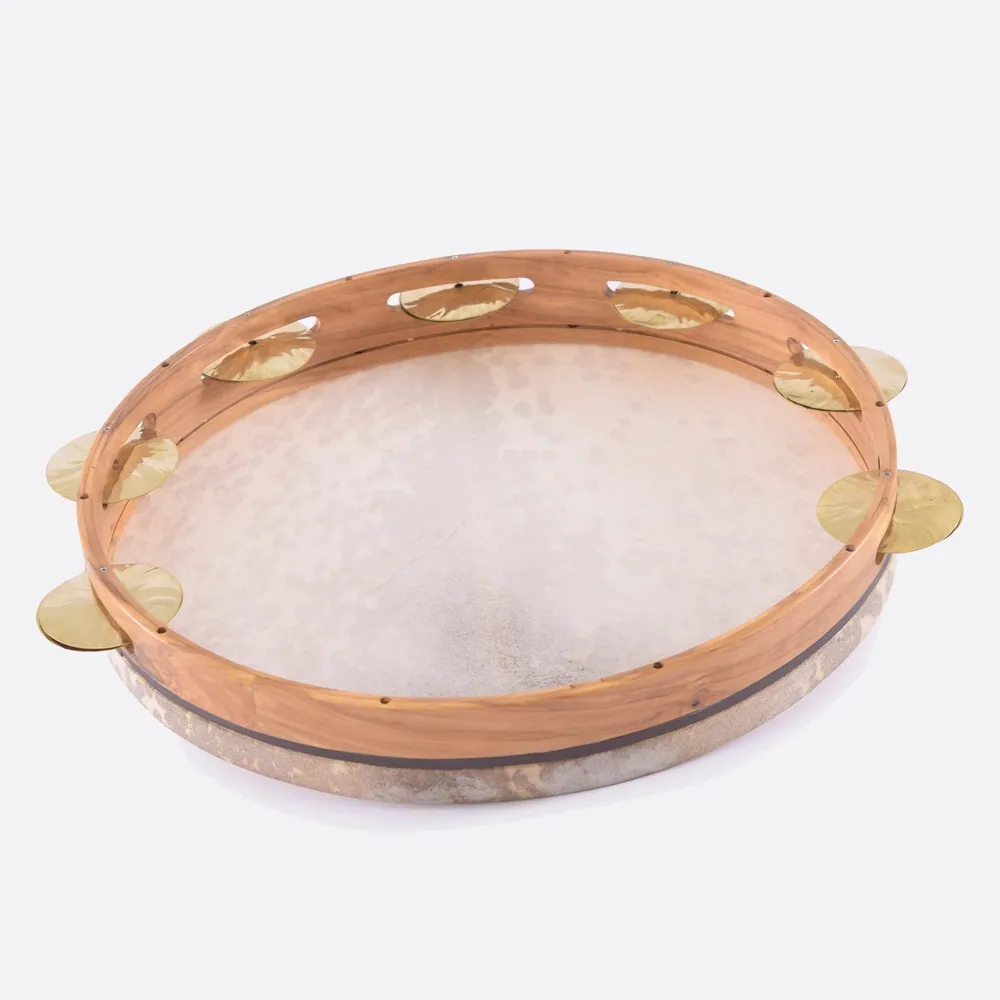
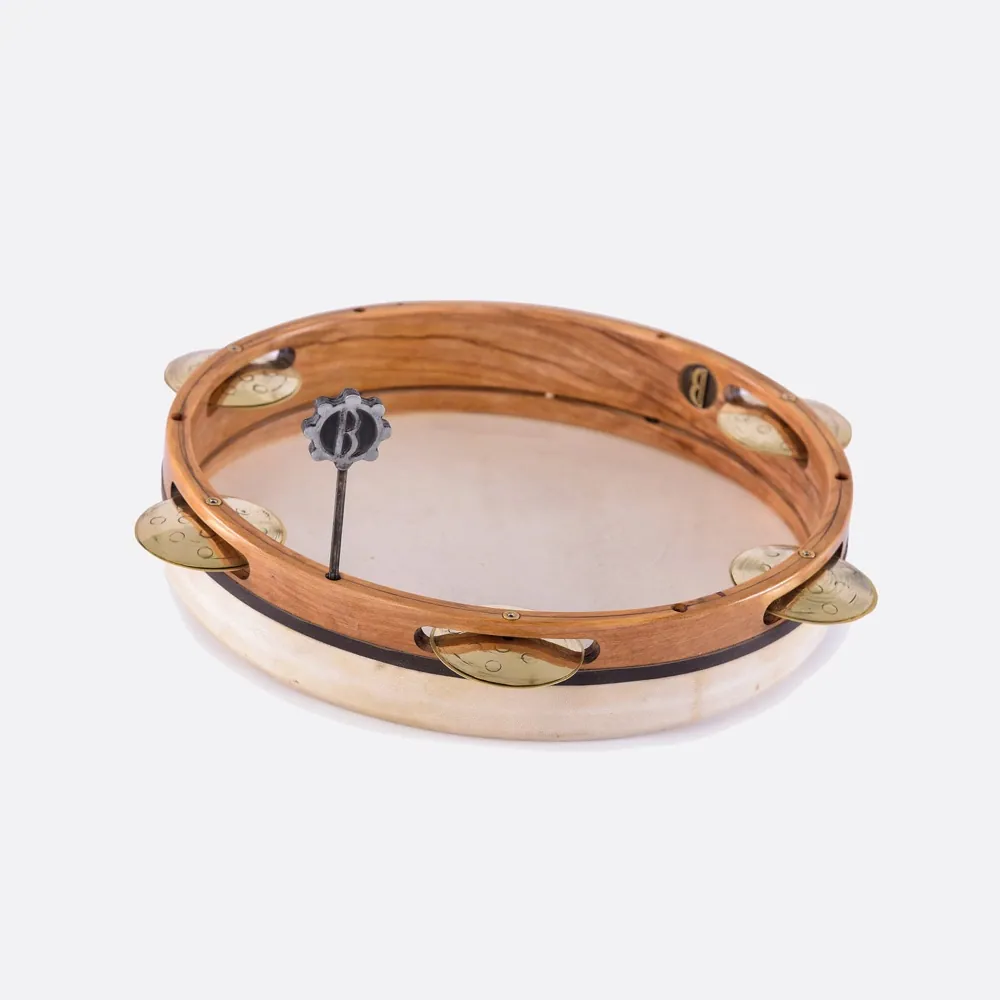
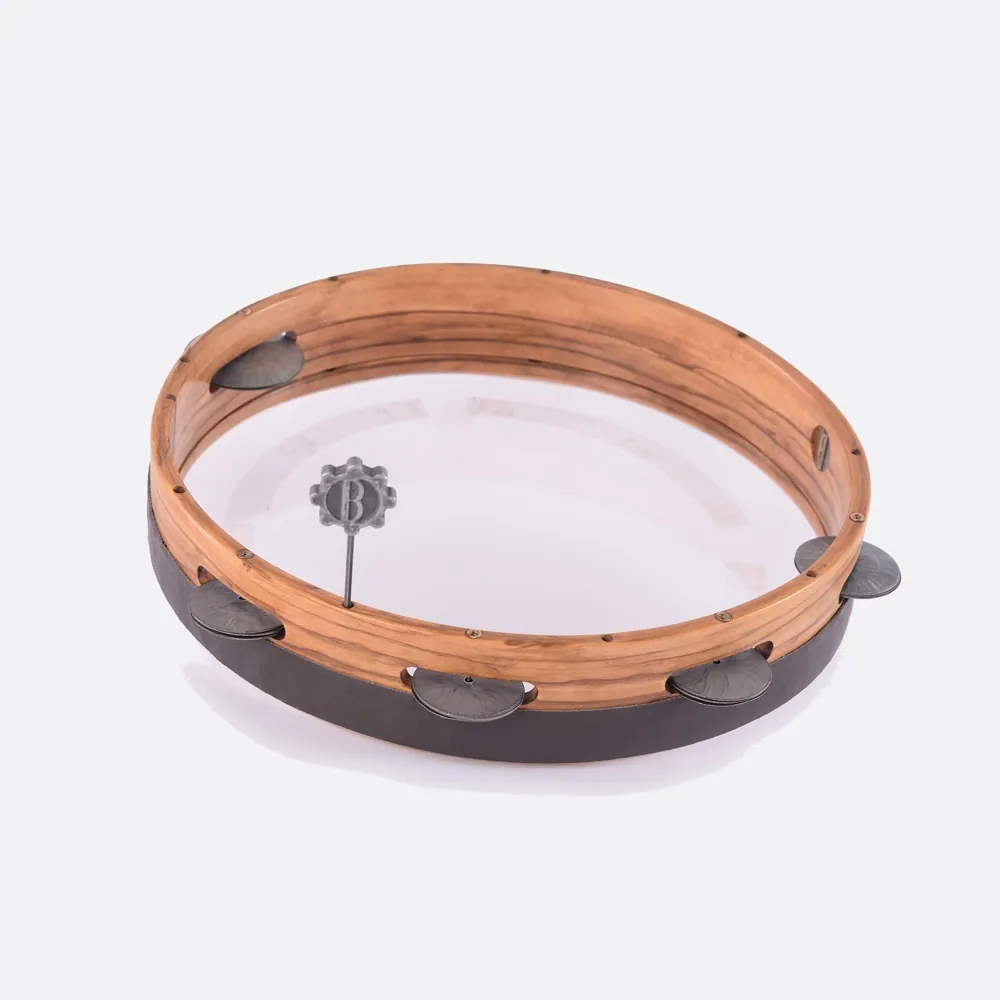
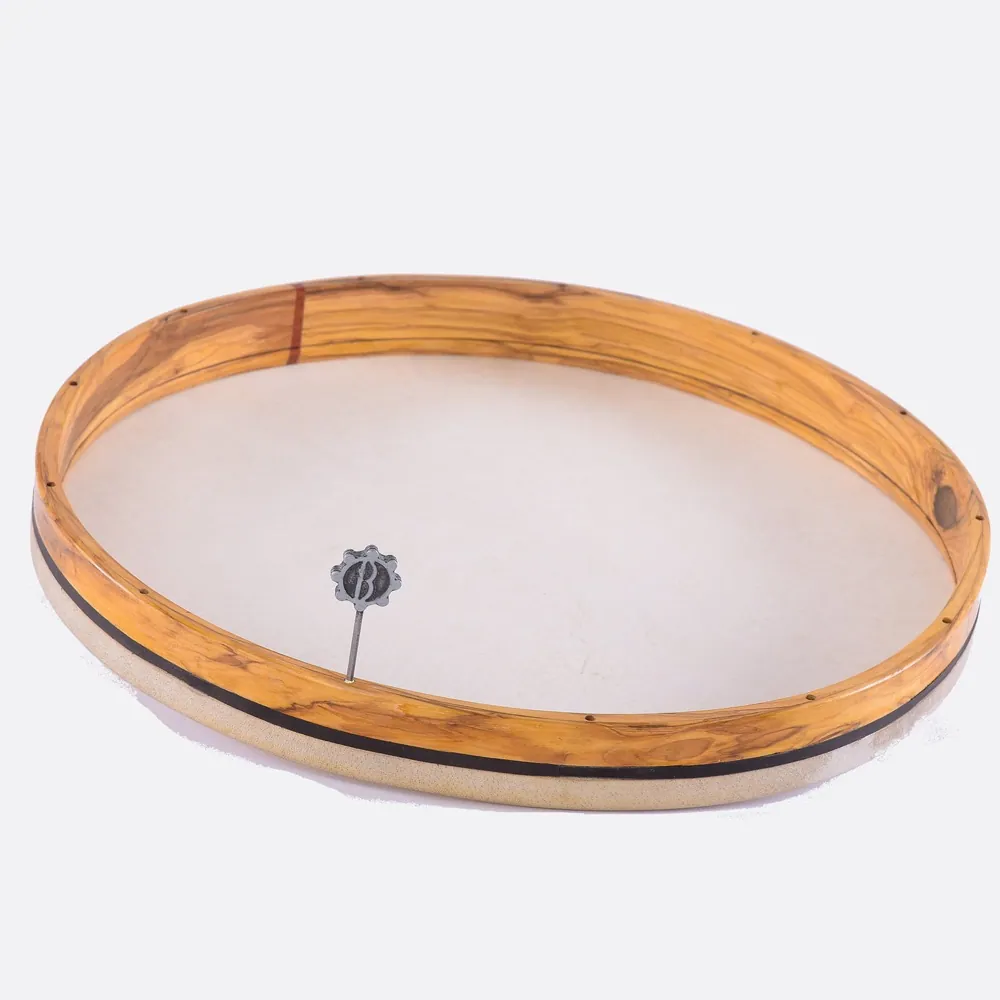
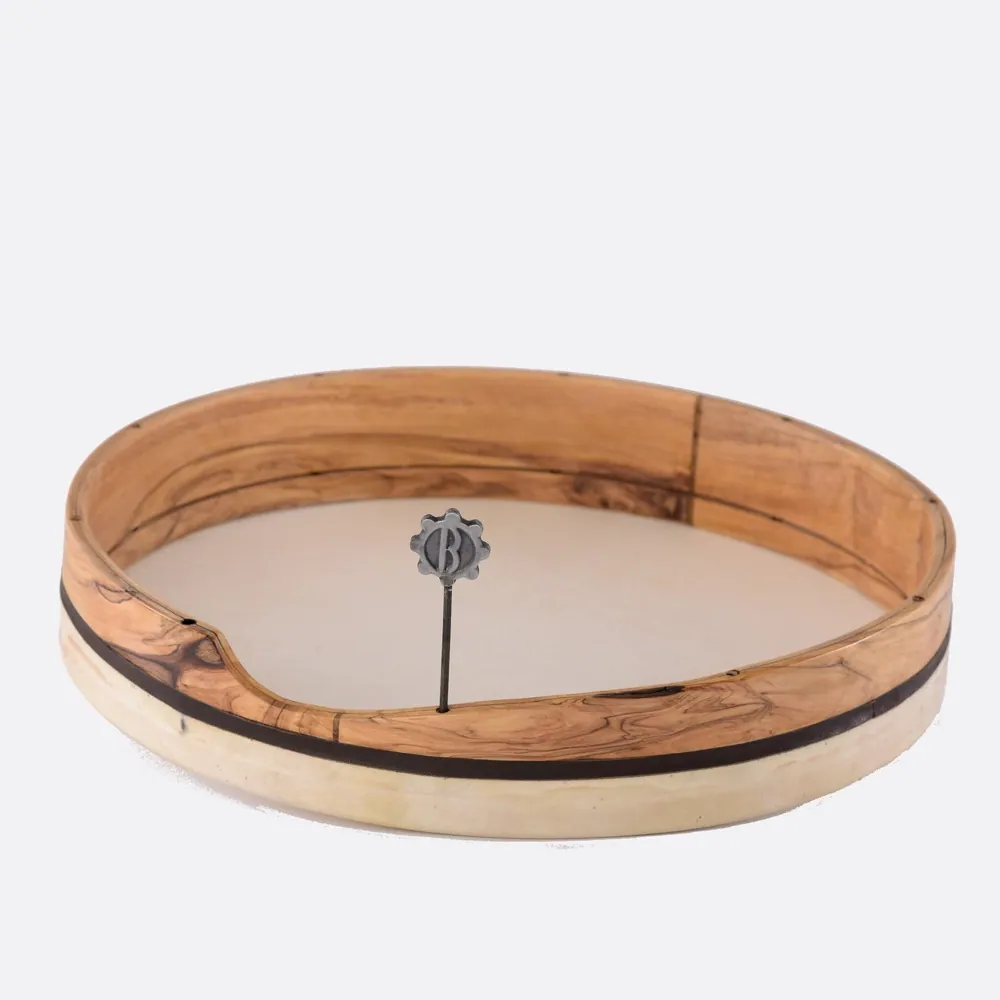
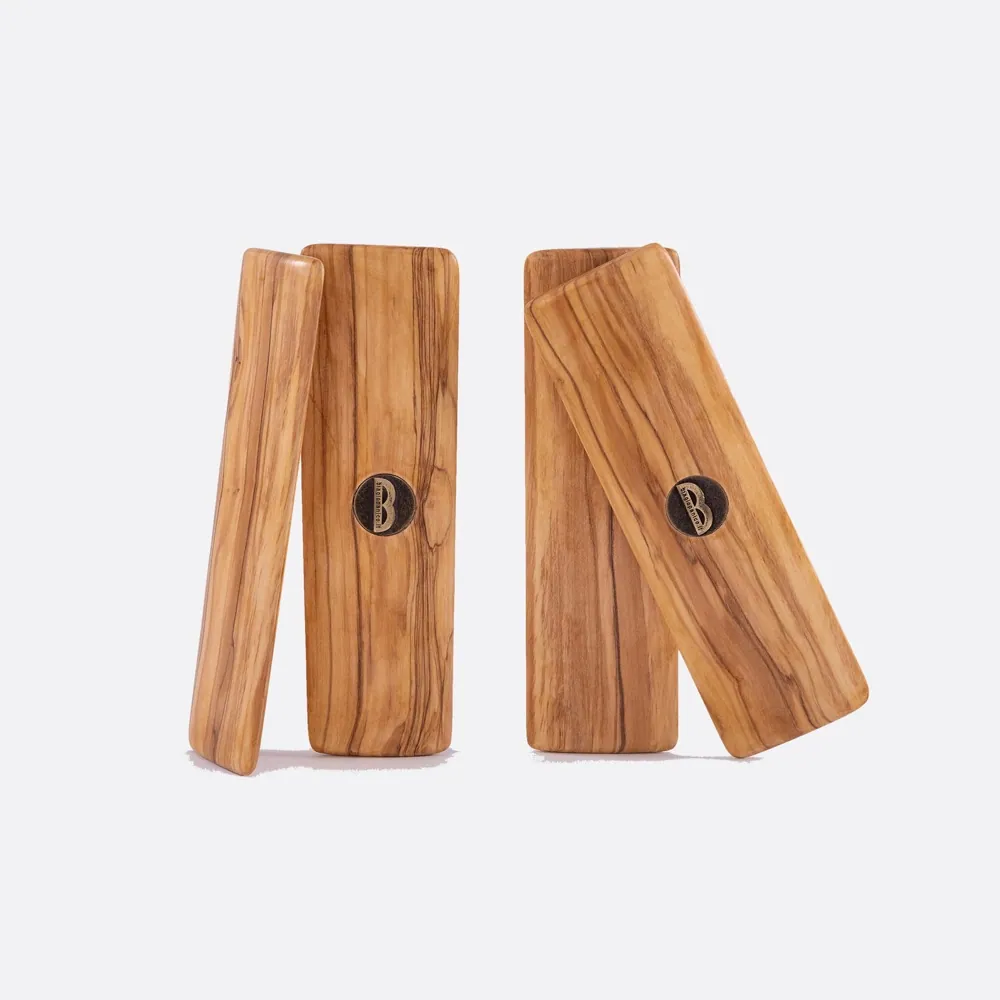
Amelia carries my grandmother's name. She died while that instrument was being built, and it is dedicated to her memory: in the catalogue she is a musa ad honorem.
“Andrea Piccioni plays that tambourine typical of Italy, with a technique that uses the back of the hand. He is a musical encyclopaedia, a deep connoisseur of all the rhythms of the Middle East. He plays with great strength, with astonishing speed — and he sings too!”
— Marcos Suano, Brazil
The academic course in Mediterranean Frame Drums at the “Saverio Arlia” Conservatory: three-year and two-year levels, with exams and a degree. Italian at B1 level is required.
Three video paths, from beginner to advanced, to follow whenever you like and from anywhere in the world.
Workshops and masterclasses at festivals, conservatories and schools, in Italy and abroad. Open to those who already know the instrument and to those who have never held one.